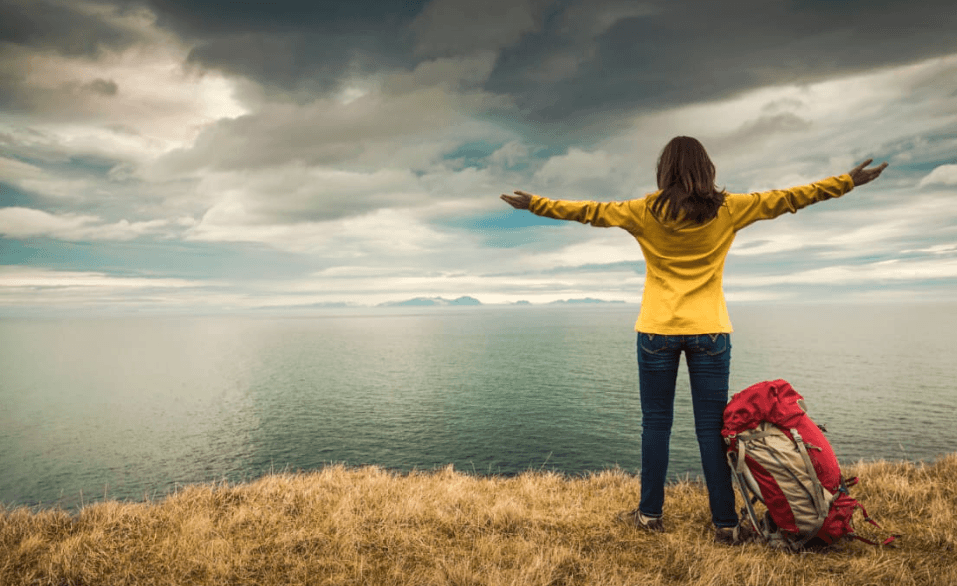

Travel is often presented as a collection of famous landmarks, beautiful photographs, and carefully planned itineraries. Yet the most memorable journeys are not always built around the places that appear on postcards. Sometimes a quiet street, an unexpected conversation, a local meal, or a long walk without a fixed destination can become the strongest memory of a trip.
Travel changes when the goal moves beyond simply seeing as many attractions as possible. Instead of treating a destination like a checklist, travelers can give themselves time to notice how people live, how neighborhoods feel, and how unfamiliar surroundings challenge their usual routines.
A Journey Starts Before the Suitcase Is Packed
Good travel begins with preparation, but preparation does not have to mean filling every hour of the trip.
Researching the weather, local transportation, cultural customs, accommodation area, important documents, and opening schedules can prevent avoidable problems. At the same time, leaving some empty space in the itinerary creates freedom for spontaneous discoveries.
A schedule that contains one activity after another may look efficient on paper but can become exhausting in practice. Travel is supposed to create experiences, not turn every morning into a race against the clock.
A balanced plan might include a few important destinations while leaving several hours or even an entire day open.
The Neighborhood Can Tell a Bigger Story
Visitors often concentrate on the central attractions of a city. Those places can certainly be worthwhile, but the character of a destination is frequently easier to understand by exploring ordinary neighborhoods.
A local market can reveal what people eat. A residential street can show architectural traditions. A small café can provide a glimpse into the pace of daily life. Public parks, bookstores, bakeries, and community spaces can offer experiences that are very different from those designed specifically for tourists.
Walking is particularly useful when conditions are suitable. It allows travelers to notice details that may disappear when moving quickly between destinations.
See also: Tylurs com
Food Is Part of the Destination
Cuisine is more than something to consume between sightseeing activities. Food carries history, geography, family traditions, and cultural influences.
Trying regional dishes can introduce travelers to ingredients and cooking methods they may never encounter at home. A simple meal from a small local establishment may become more memorable than an expensive restaurant chosen only because it appears in a travel ranking.
Travelers should still consider practical concerns such as allergies, dietary requirements, food hygiene, and local advice. Being adventurous does not require ignoring common sense.
Learning a few words related to food or ordering can also make the experience more comfortable and create opportunities for friendly interaction.
Travel Can Teach Patience
Not everything goes according to plan while traveling. A train may be delayed. A road may be unexpectedly crowded. A restaurant may be closed. Weather can change an outdoor plan within minutes.
These situations can be frustrating, particularly when a traveler has invested significant time and money into a trip. However, they can also become part of the experience.
Learning to adjust plans without allowing one inconvenience to ruin an entire day is a valuable travel skill. Sometimes the replacement activity turns out to be more interesting than the original plan.
Flexibility does not mean ignoring important arrangements. It means recognizing that a journey cannot be completely controlled.
Responsible Travel Begins With Small Choices
Travel affects the places people visit. Large numbers of visitors can create pressure on natural environments, historic sites, local infrastructure, and communities.
Travelers can make thoughtful choices by respecting local rules, avoiding litter, treating cultural sites carefully, supporting legitimate local businesses, and being considerate in residential areas.
Natural destinations deserve particular care. A beautiful landscape may look untouched, but its ecosystems can be fragile. Staying on designated paths, avoiding damage to plants, and taking waste away are simple actions that help preserve places for future visitors.
Responsible travel is not about being perfect. It is about remembering that a destination is somebody’s home, workplace, community, or natural environment.
Traveling Alone and Traveling Together Feel Different
A solo journey offers a type of independence that can be difficult to experience in ordinary life. A traveler can choose when to wake up, where to eat, and how long to stay somewhere without negotiating every decision.
Group travel creates a different kind of experience. Shared meals, unexpected jokes, difficult moments, and discoveries can become memories that people continue discussing years later.
Neither approach has to be treated as universally better. The right choice depends on personality, circumstances, safety considerations, budget, and the purpose of the journey.
Keep Some Memories Away From the Screen
Photography is one of the easiest ways to preserve a trip, but constantly searching for the perfect photograph can sometimes distract from the experience itself.
A useful approach is to take photographs when something genuinely catches your attention and then put the phone away for a while. Notice the sounds around you, the architecture, the weather, the smell of food from a nearby restaurant, or the rhythm of people moving through the street.
Years later, memories are often built from these small details rather than from a perfectly edited collection of photographs.
The Best Souvenir May Be a New Perspective
Travel does not have to produce a dramatic personal transformation. Its value can be much quieter.
Seeing how another community organizes everyday life can make familiar habits seem different. Hearing another language can change the way a person thinks about communication. Visiting a landscape unlike anything at home can create a greater appreciation for nature.
The real reward of travel may therefore be the perspective brought back home.
A successful journey is not necessarily the one with the longest itinerary or the greatest number of destinations. It can simply be the journey that encourages curiosity, creates meaningful memories, and leaves a traveler looking at ordinary life with slightly different eyes.
