
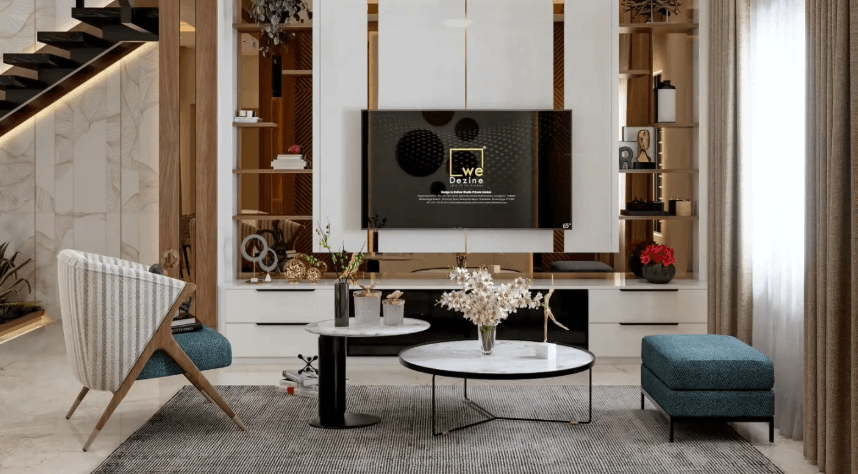

Improving a home does not always require a major renovation or a large budget. Sometimes, the biggest difference comes from changing the way a room is arranged, repairing neglected areas, improving lighting, or adding useful features. A well-planned home improvement project can make a property more comfortable, functional, and pleasant without changing everything at once.
Start With the Areas That Matter Most
Before buying materials or choosing new furniture, it helps to look carefully at how the home is being used. A room may feel uncomfortable because it lacks storage, has poor lighting, or contains furniture that takes up too much space. Identifying the actual problem can prevent money from being spent on changes that do not solve anything.
Walk through each room and make a simple list of improvements. Loose handles, damaged shelves, peeling paint, dripping faucets, worn flooring, and broken fixtures are small problems that can gradually make a home feel neglected. Taking care of these issues first can create a cleaner and more maintained environment.
It is also useful to consider which rooms receive the most daily attention. Improving a kitchen, bathroom, entrance, bedroom, or frequently used living area may provide more noticeable benefits than renovating a space that is rarely occupied.
Improve Light, Color, and Organization
Lighting can dramatically affect the character of a room. A dark space may feel smaller and less inviting, while a combination of natural light and carefully positioned lamps can make the same area feel more open. Curtains or blinds that allow appropriate daylight into a room can also influence its appearance.
Wall color is another relatively simple way to refresh a space. Soft, neutral shades can create a calm background, while carefully selected stronger tones can add personality to particular areas. Paint should be chosen according to the room’s size, natural light, existing furniture, and the atmosphere the homeowner wants to create.
Organization can make an equally noticeable difference. Storage boxes, wall-mounted shelves, drawer organizers, and multifunctional furniture can help reduce clutter. Instead of simply adding more storage, homeowners can first remove items that are rarely used. A less crowded room is often easier to clean and more comfortable to use.
See also: Tylurs com
Upgrade Features With Practical Benefits
Home improvement is not only about appearance. Functional upgrades can make everyday tasks easier and may improve the efficiency of a property. Replacing old fixtures, improving ventilation, repairing damaged doors, or updating worn hardware can provide useful changes without requiring a complete remodel.
In the kitchen, for example, better storage arrangements can make frequently used ingredients and utensils easier to reach. In a bathroom, improved lighting, ventilation, and properly maintained fixtures can make the space more convenient. In bedrooms and living rooms, thoughtful furniture placement can create clearer walking areas and make better use of available floor space.
Energy-conscious improvements can also be considered. Sealing noticeable drafts, maintaining heating and cooling equipment, using efficient lighting, and improving insulation where appropriate may help reduce unnecessary energy use. The most suitable upgrades depend on the building, local climate, existing systems, and available budget.
Plan Projects Before Starting Work
A successful improvement project usually begins before any tools are picked up. Homeowners should determine the project’s purpose, estimate costs, identify necessary materials, and decide whether the work is suitable for DIY completion or requires a qualified professional.
It is wise to leave some room in the budget for unexpected expenses. Older homes can sometimes reveal hidden damage once walls, floors, plumbing, or fixtures are opened. Planning for surprises can make the process less stressful.
Safety should remain a priority throughout the project. Electrical work, structural changes, major plumbing modifications, roofing, and other specialized tasks may require professional knowledge or permits depending on the location and project. Attempting complex work without the necessary expertise can create expensive or dangerous problems.
Ultimately, good home improvement is about making thoughtful changes rather than simply making expensive ones. A repaired fixture, better-organized storage area, improved lighting arrangement, or refreshed wall can sometimes have more practical value than a dramatic renovation. By identifying genuine household needs and completing projects carefully, homeowners can gradually create spaces that feel more useful, comfortable, and suited to everyday life.
