
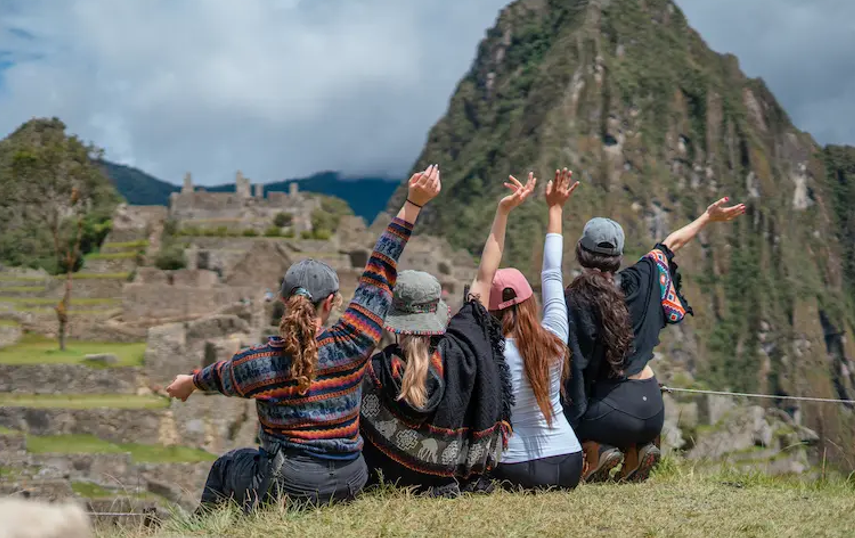
How to Plan a More Meaningful Travel Experience
Travel is often associated with famous landmarks, beautiful photographs, and relaxing holidays. However, a memorable trip is not always determined by how many attractions someone visits. The quality of a journey can also depend on thoughtful planning, local experiences, flexible schedules, and the ability to appreciate a destination beyond its most popular sights.
Whether traveling alone, with friends, or with family, a little preparation can make the experience smoother while still leaving room for unexpected discoveries.
Choose a Destination With Purpose
The first step in planning a trip is understanding why you want to travel. Some people look for peaceful surroundings, while others want cultural experiences, outdoor activities, food, history, or entertainment.
Defining the purpose of a journey can make destination selection easier. Instead of choosing a location simply because it is popular online, travelers can consider what type of experience they actually want.
Researching the climate, local customs, transportation options, and seasonal conditions can also help create realistic expectations.
Create a Flexible Itinerary
A detailed itinerary can be useful, but filling every hour with activities may leave little room for relaxation. A flexible plan usually provides a better balance.
Choose a few important attractions or activities for each day and leave open periods for meals, rest, walking, or spontaneous discoveries. If a particular location turns out to be more interesting than expected, having an unscheduled afternoon makes it easier to stay longer.
Travel rarely goes exactly according to plan, so flexibility can reduce unnecessary frustration.
Explore Beyond Tourist Areas
Popular attractions can be valuable, but they represent only one part of a destination. Exploring local neighborhoods, markets, parks, independent shops, and smaller cultural sites can provide a different perspective.
Walking through less crowded areas can reveal architectural details, local businesses, and everyday scenes that may not appear in standard travel guides.
Travelers should still respect local communities. Taking photographs, entering private areas, or interacting with residents should always be done thoughtfully.
See also: Tylurs com
Experience Local Food
Food can be one of the most memorable parts of travel. Local dishes often reflect a destination’s history, geography, traditions, and available ingredients.
Instead of eating every meal at familiar international chains, travelers can consider visiting local restaurants, markets, bakeries, or food stalls where appropriate. Trying unfamiliar dishes can turn an ordinary meal into part of the travel experience.
It is also sensible to consider food allergies, dietary requirements, hygiene, and personal health needs when selecting meals.
Pack With Practicality in Mind
Overpacking can make travel unnecessarily difficult. A useful packing list should reflect the destination’s weather, planned activities, transportation, and length of stay.
Comfortable footwear is especially valuable for trips involving significant walking. Travelers may also want to carry basic medications, chargers, travel documents, reusable water bottles, and weather-appropriate clothing.
Packing fewer versatile items can make it easier to move between hotels, trains, airports, and other locations.
Respect Local Culture
Every destination has its own customs and social expectations. Travelers can show respect by learning basic local etiquette before arriving.
Clothing expectations, photography rules, religious customs, tipping practices, and public behavior can differ significantly between destinations. A few minutes of research can prevent accidental disrespect.
Learning a few common words or phrases in the local language can also make everyday interactions more pleasant.
Keep Important Documents Secure
Travel documents should be organized and protected throughout a journey. Passports, identification, tickets, accommodation details, insurance information, and emergency contacts should be accessible but stored securely.
Digital copies can provide an additional backup, while travelers should also know how to contact relevant authorities if documents are lost.
Conclusion
Meaningful travel is not necessarily about visiting the largest number of attractions. It is about creating experiences that match personal interests while remaining open to the character of the destination.
A balanced itinerary, local food, cultural awareness, practical packing, and flexible planning can make a journey more enjoyable. Most importantly, travelers should allow themselves enough time to slow down and experience their surroundings rather than treating every destination as a checklist of places to visit.