
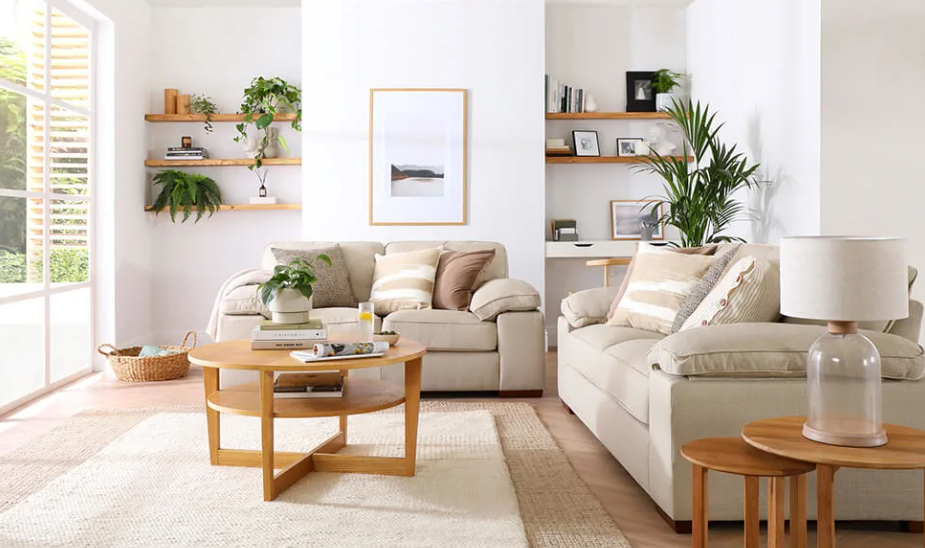
Practical Ways to Make Your Home More Comfortable
A home should be more than a place where people sleep and store their belongings. It should provide comfort, convenience, safety, and a sense of personal space. Home improvement does not always require a major renovation or an expensive construction project. Many meaningful changes can come from improving how rooms are organized, maintaining essential systems, upgrading inefficient features, and making better use of the available space.
The best home improvement projects usually begin with understanding what the property actually needs. Instead of changing everything at once, homeowners can identify the areas that affect everyday life and work through them gradually.
Start With a Room-by-Room Assessment
Before purchasing materials or hiring workers, walk through the entire home and make notes about areas that need attention. Look for damaged surfaces, poor lighting, storage problems, outdated fixtures, drafts, moisture marks, and spaces that are difficult to use.
Creating a simple list helps separate urgent repairs from decorative improvements. Problems involving water leaks, electrical safety, structural damage, or major system failures deserve attention before cosmetic projects. Planning projects in this order can reduce the possibility of allowing a small problem to become a larger and more expensive repair.
Improve the Layout
A room can feel uncomfortable even when it contains attractive furniture. Poor placement may block walkways, reduce usable floor space, or make everyday activities inconvenient.
Rearranging furniture can sometimes create a noticeable difference without spending much money. Keep frequently used pathways clear and position furniture according to how the room is actually used. In smaller homes, multifunctional furniture can provide additional flexibility.
For example, a storage bench can provide seating while hiding household items, while shelves can use vertical wall space without occupying much floor area.
See also: Tylurs com
Upgrade Lighting
Lighting has a strong influence on the atmosphere of a room. A combination of general lighting, task lighting, and accent lighting can make a space more practical and visually balanced.
Consider how each room is used before selecting fixtures. A kitchen may require brighter task lighting around preparation areas, while a bedroom may benefit from softer sources near reading or relaxation spaces.
Energy-efficient lighting can also be part of a broader improvement plan. ENERGY STAR guidance notes that efficient lighting can use substantially less energy than traditional incandescent lighting.
Make Storage More Useful
Storage problems often make homes appear smaller than they really are. Instead of immediately adding large cabinets, examine unused areas first.
The space beneath stairs, the backs of doors, empty wall sections, and corners can sometimes accommodate shelves, hooks, baskets, or compact storage units. Labeling containers can also make frequently used items easier to locate.
An organized storage system should reflect daily habits. Items used every day should remain accessible, while seasonal belongings can be placed in less convenient locations.
Pay Attention to Airflow and Energy Use
Comfort and energy efficiency often go together. Drafty windows and doors can make rooms harder to heat or cool. Simple measures such as checking seals and weatherstripping can reduce unwanted air movement.
Home energy authorities also recommend focusing on major energy-use areas such as heating, cooling, hot water, and appliances when planning efficiency improvements.
Maintaining heating and cooling equipment is another useful step. Filters, vents, and equipment should be checked according to manufacturer recommendations, while complex repairs should be handled by appropriately qualified professionals.
Refresh Surfaces Strategically
Not every improvement needs to involve replacing an entire room. Fresh paint, updated cabinet hardware, repaired trim, new curtains, or refinished surfaces can change the appearance of a space while keeping the project manageable.
Choose improvements that work with the home’s existing design rather than replacing everything simply because it looks dated. A small number of coordinated changes can create a cleaner and more unified appearance.
Plan Improvements Around a Budget
A realistic budget can prevent home projects from becoming stressful. Before starting, estimate material costs, labor, permits where applicable, tools, and possible unexpected expenses.
It can also help to divide a large renovation into stages. Completing one section at a time allows homeowners to evaluate results before committing additional money to the next stage.
Conclusion
Improving a home is a gradual process. Better organization, smarter lighting, useful storage, improved airflow, regular maintenance, and carefully selected upgrades can make everyday living more comfortable without requiring a complete renovation. The most effective approach is to understand the property’s needs, prioritize important repairs, establish a realistic budget, and make improvements that provide lasting practical value.
One Comment